Hotels in Sukhothai-Historical Park I Le Charme Resort

There is a wide range of fascinating attractions and activities to explore in and around Le Charme Sukhothai Resort.
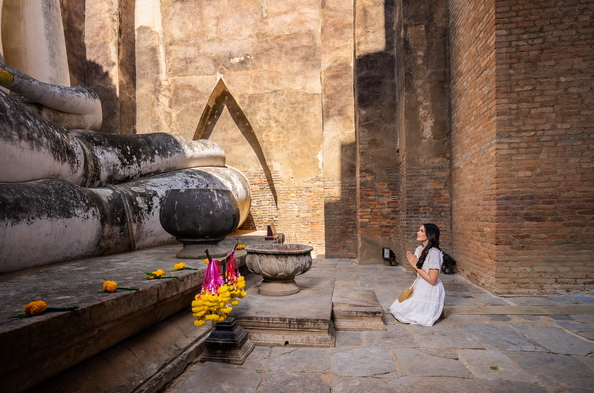
Wat Si Chum is renowned for Phra Achana, a monumental seated Buddha image in the Subduing Mara posture, enshrined within a large square mondop. The temple is also known for the discovery of the Wat Si Chum Inscription (Inscription No. 2), an important historical record of the Sukhothai period.
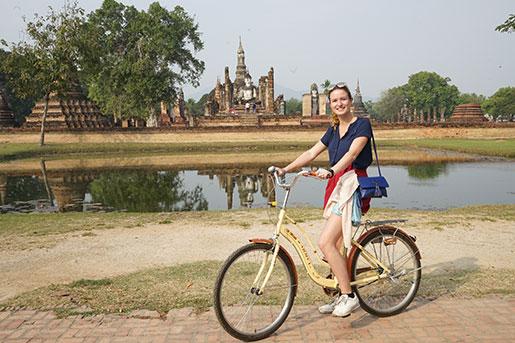
Located just a short distance from Le Charme Sukhothai Resort, this UNESCO World Heritage Site was the capital of the Sukhothai Kingdom, regarded as the first Thai kingdom. Surrounded by ancient walls and moats, the park features the impressive remains of royal palaces, Buddhist temples, monuments, and historic structures that reflect the glory of the Sukhothai era.
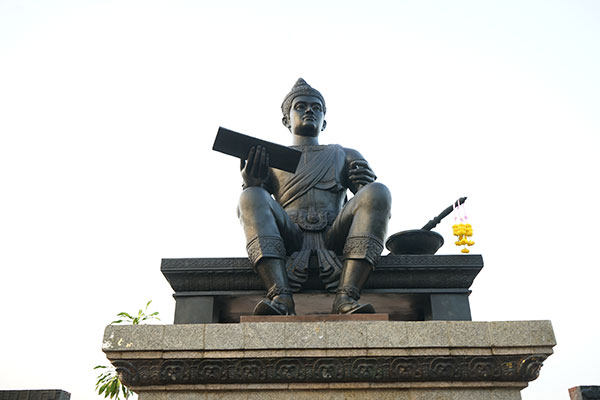
Located on Charod Withi Thong Road, north of Wat Mahathat, the monument was erected in 1975 to honor King Ramkhamhaeng the Great, one of the most celebrated rulers of the Sukhothai Kingdom. The bronze statue depicts the king seated on a throne, reflecting his role as a wise and benevolent ruler. Nearby stands a replica of the famous King Ramkhamhaeng Inscription, one of Thailand’s most important historical records.
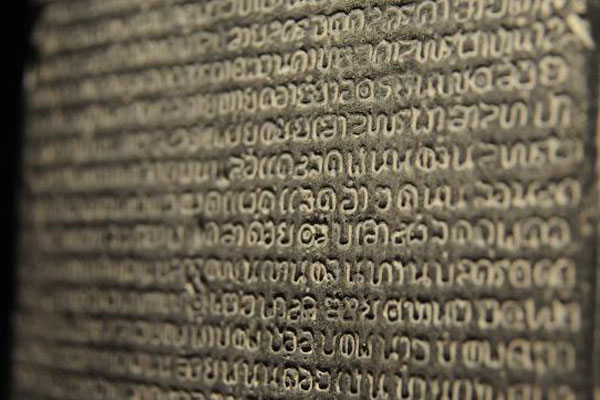
Located near the eastern side of Sukhothai Historical Park, Ramkhamhaeng National Museum was established in 1960 and officially opened to the public in 1963. The museum features exhibitions of artifacts discovered in Sukhothai and nearby historical sites. Highlights include ancient sculptures, ceramics, inscriptions, religious objects, and archaeological remains that provide insight into the history, art, and culture of the Sukhothai Kingdom.
Both inside and outside the ancient city walls, visitors can explore numerous historical sites. Begin your journey at the Tourist Service Center and discover the area on foot or by bicycle.
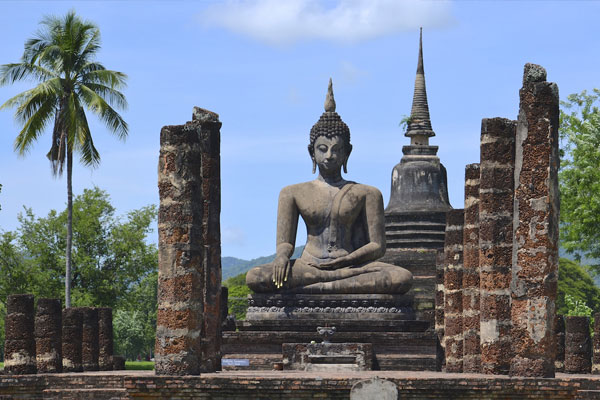
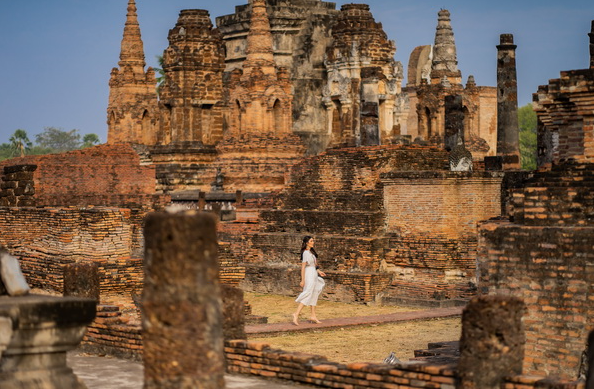
Located at the heart of the ancient city, Wat Mahathat was the spiritual center of the Sukhothai Kingdom. The temple complex features a main lotus-bud chedi, assembly halls, mondops, and more than 200 subsidiary chedis. The principal chedi, surrounded by smaller chedis, is considered one of the finest examples of Sukhothai architecture.
According to the Ramkhamhaeng Inscription, the temple once housed a revered golden Buddha image. Today, Wat Mahathat remains one of the most important monuments in Sukhothai Historical Park.
Located south of Wat Mahathat, Wat Si Sawai is distinguished by its three Khmer-style prangs. Archaeological evidence, including Hindu sculptures and lingas, suggests that the site originally served as a Hindu sanctuary before being converted into a Buddhist temple.
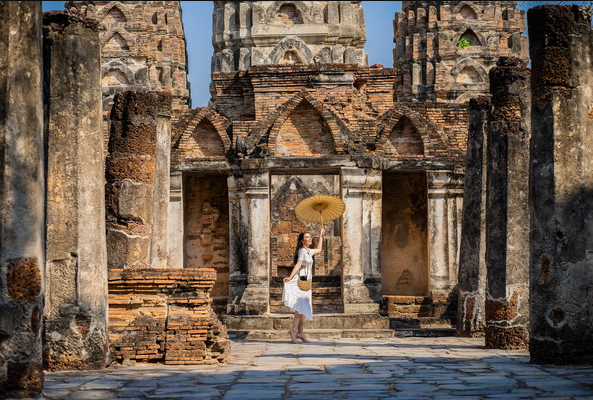
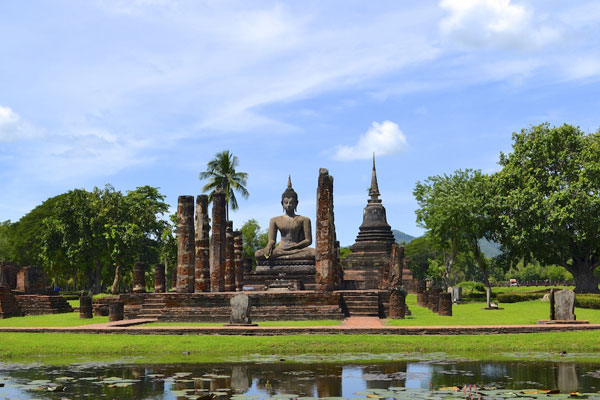
Situated west of Wat Mahathat, Wat Traphang Ngoen features a large chedi, an assembly hall, and a picturesque setting beside Traphang Ngoen Pond. The temple is especially popular for its peaceful atmosphere and scenic sunset views.
Located on an island in the middle of Traphang Trakuan Pond, Wat Sa Si is one of the most beautiful temples in the historical park. Its elegant bell-shaped chedi reflects the influence of Sri Lankan Buddhism on Sukhothai art and architecture.
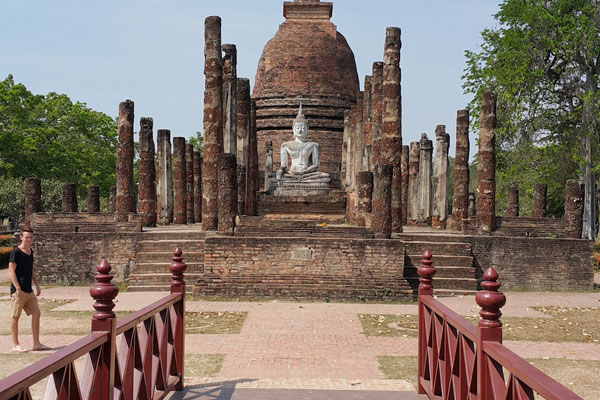
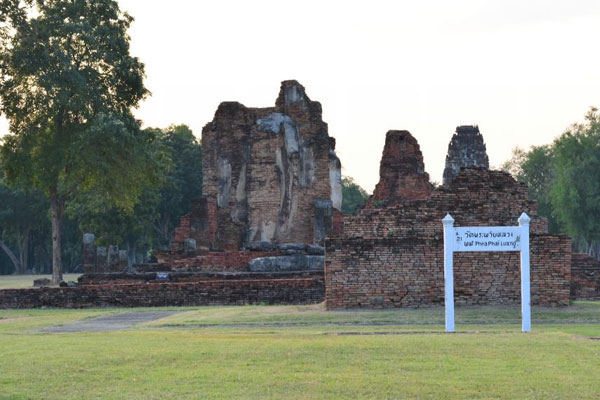
Wat Phra Phai Luang is one of the largest and oldest temple complexes in Sukhothai. The site features three Khmer-style prangs built of laterite and reflects the strong Khmer influence that existed before the rise of the Sukhothai Kingdom.
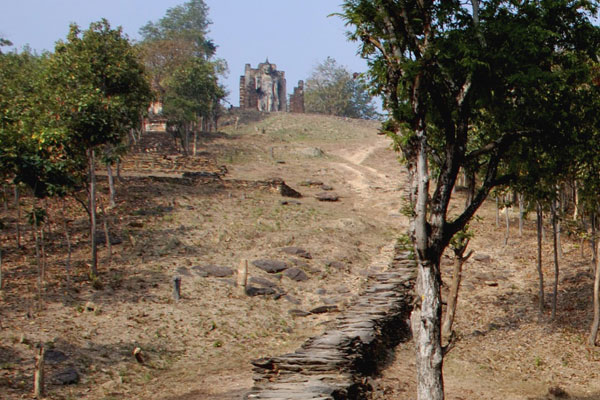
Located on a hill west of the ancient city, Wat Saphan Hin is reached by an ancient stone pathway, from which the temple derives its name. The site is famous for its standing Buddha image, known as Phra Attharot, and offers panoramic views of the surrounding area.
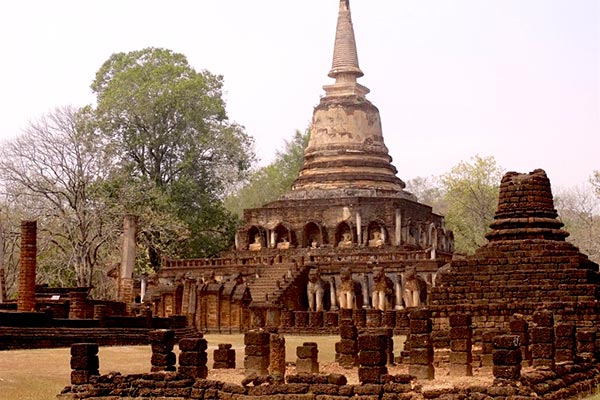
Together with Sukhothai and Kamphaeng Phet, Si Satchanalai Historical Park forms part of a UNESCO World Heritage Site. Once an important administrative and cultural center of the Sukhothai Kingdom, the park contains numerous well-preserved monuments and archaeological remains.
Highlights include Wat Chang Lom, Wat Chedi Chet Thaeo, Wat Nang Phaya, Wat Phra Si Rattana Mahathat Chaliang, and the renowned Si Satchanalai kiln sites, which played a significant role in the production of Sangkhalok ceramics.
 English
 ไทย
ไทย